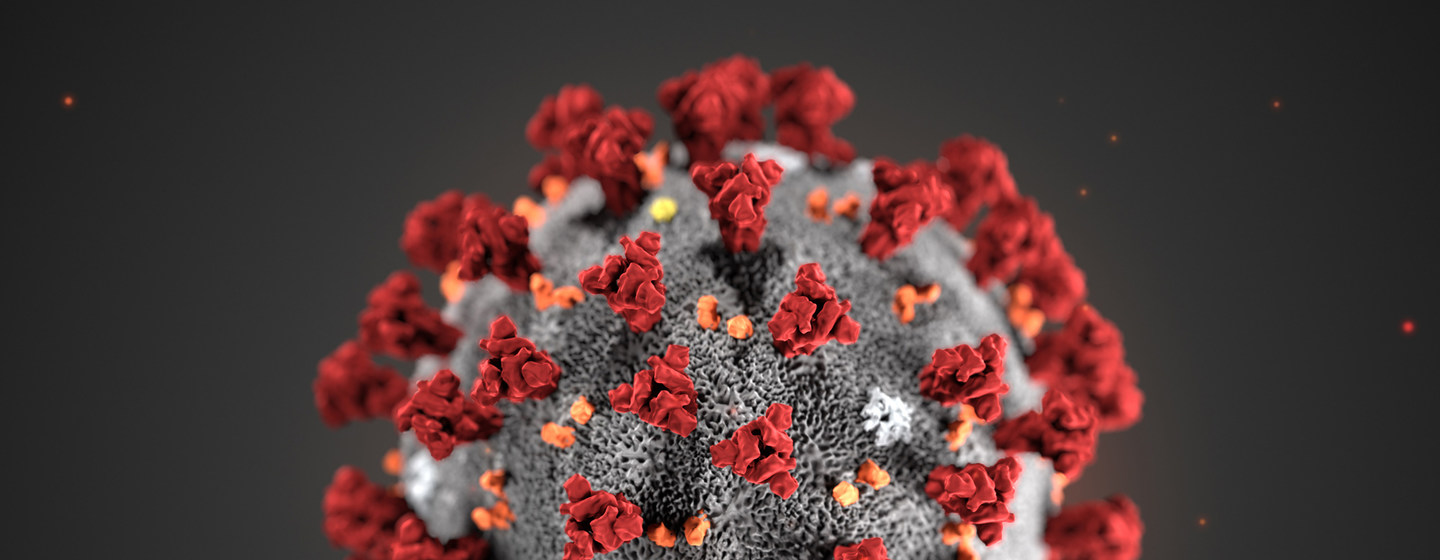
What is COVID-19?
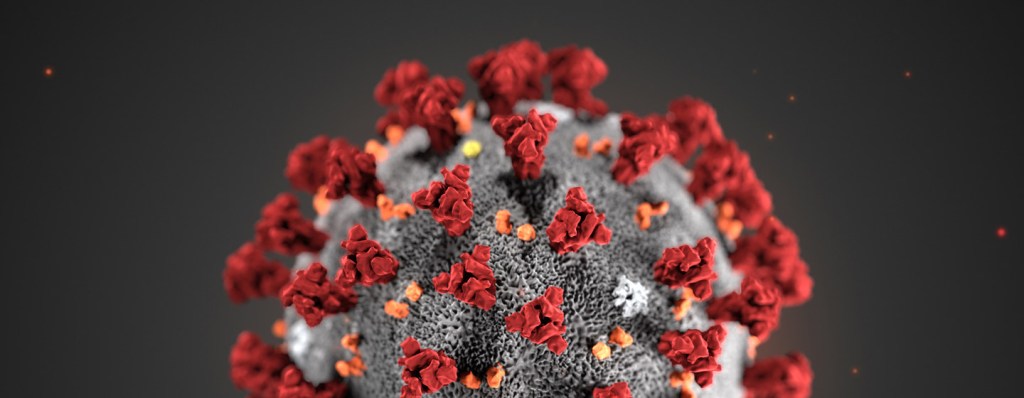
This novel virus is a new strain of the coronavirus, first detected in the city of Wuhan in China. Other Coronavirus infections include the common cold and SARS- CoV (Severe Acute Respiratory Virus).
How bad is it?
As of March 3rd, COVID-19 has killed over 3,100 people and infected over 90,000 people globally. In India, the total number of positive cases touched 46 on Monday, March 9th2020. There are no confirmed cases in Goa as of now.
What are the symptoms?
There are three main symptoms – fever, cough and shortness of breath. These arise about 2 – 14 days after exposure.
What can I do?
- Travel
According to the Indian Government travel advisory issued March 2020, Indian citizens are advised to refrain from travel to China, Iran, Republic of Korea, Italy and Japan and advised to avoid non-essential travel to other COVID-19 affected countries.
- Masks
Face -masks have been shown to confer a five-fold increase in protection versus no barrier alone. However, it doesn’t completely obviate the risk. This is because the virus can also spread through tiny aerosols through the eyes, and via fomites (objects or materials which are likely to carry infection, such as clothes, utensils, and furniture.). Wearing a mask when in close contact with a patient of Covid-19 does confer some protection, and people like health care workers or relatives caring for victims are greatly benefitted. however, buying stocks of masks and wearing it in day to day life is not of much use.
- Cant touch this!
The aforementioned ‘fomites’ could be anything! Touching these surfaces that may contain the virus and then subconsciously transferring those germs to your face could risk infection. The key is to avoid touching your face as much as possible. Easier said than done, but a conscious effort goes far.
- Wash your hands
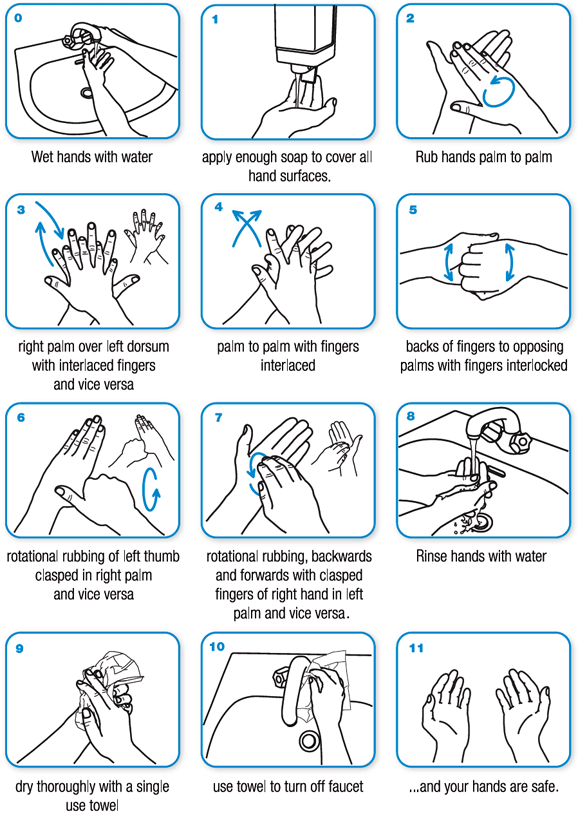
Wash your hands frequently and well, for at least 20 seconds, preferably with soap and water. Below the blog is a picture of the proper way to wash your hands, initially published by the WHO.
- Social distancing
Maintain at least a metre (3 feet) distance between yourself and anyone who is coughing/ sneezing. Crowds are best avoided.
- Practice respiratory hygiene
Always sneeze/ cough into a tissue/ handkerchief, your hands or elbow. Dispose of the tissue properly.
- Take a sick day!
If you/ your child are unwell with flu-like symptoms, please stay home from work/ school. If fever/ cough/ cold are accompanied by any sort of trouble breathing, see your doctor as soon as possible.
- Food habits
WHO recommends thoroughly cooking meat and eggs as part of preventing COVID-19.
Who is at risk for a severe infection?
People of any age with severe underlying conditions (heart, lung disease, diabetes, etc.) are at higher risk. Older adults (above 60) are also at higher risk. Children and pregnant women are labelled as ‘at special risk.’ However, most COVID-19 infections in China have been reported in adults. Children and women have been found to be less likely to die from complications of COVID-19 than men.
Pregnancy and the Coronavirus
Are pregnant women at higher risk?
Pregnant women, by virtue of the normal immunological physiological changes of pregnancy are more susceptible to infections. According to the latest research published by the RCOG (British medical authority on pregnancy), pregnant women do not appear to be more prone to the complications of COVID -19. However, the CDC (the Centre for Disease Control and Prevention, America), has placed pregnant women in a group labelled ‘at special risk.’ Thus caution would be wise.
Pregnant women who have a co-existing medical illness are uniquely susceptible.
Can the virus be transmitted to the unborn baby?
Most studies have refuted the claim that the virus can be passed on while the unborn baby is still in utero. However, once the baby is born, it is at risk of infection from droplet infection. The risk of a miscarriage is not increased. Being infected with the COVID-19 does not seem to increase the risk of the baby being born with defects (Coronavirus in Pregnancy, RCOG 9/03/2020).
Finally, in the words of the WHO:
- Be SAFE from the Coronavirus
- Be SMART and keep yourself informed
- Be KIND and supportive of one another.
 For Women, For Health.