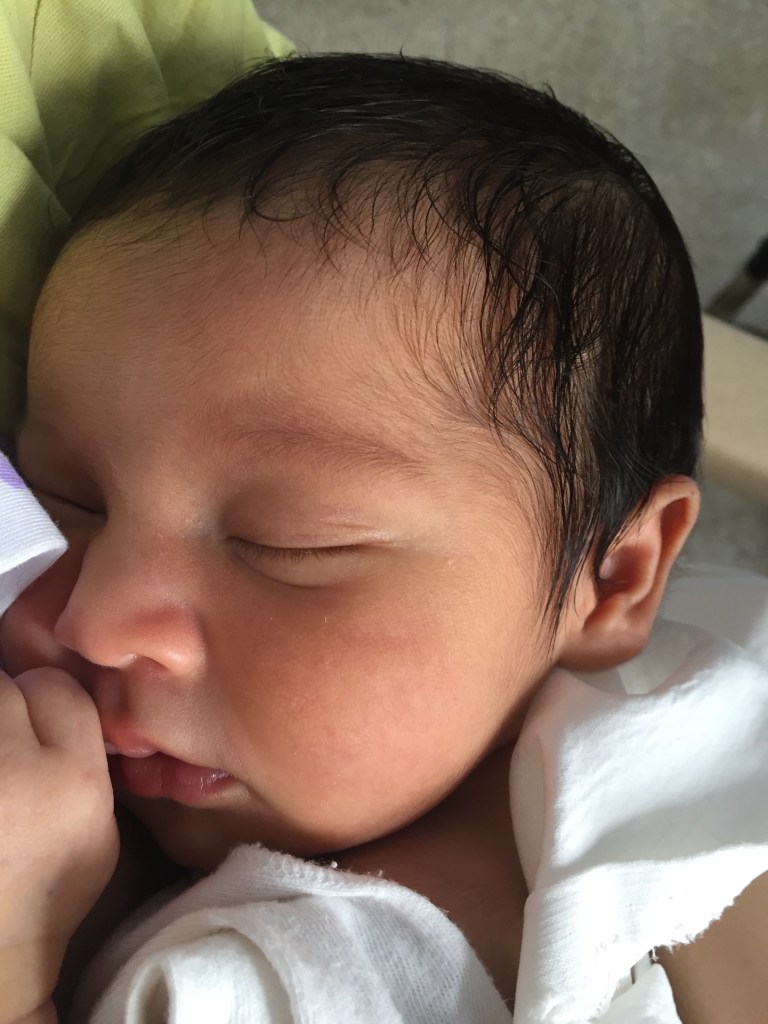
History has see-sawed in its treatment of breastfeeding.
Breast milk has always had a spiritual essence to it. The ancient times held breastfeeding as a matter of great reverence. The Greek goddess Hera’s breastmilk was thought to confer immortality to those who drank it. So much so, that the infant god Hercules was smuggled onto a sleeping Hera’s breast to drink of this liquid gold. When she realised this and pulled away, the spray of her milk into the sky is said to have culminated in the birth of the Milky Way.
A little down the road, the men of yore began to loathe the effect breastfeeding had on the ‘maidenly bosoms’ of their partners. The link to breastmilk and reduced fertility was also recognised, leading those men wanting multiple heirs to despise breastfeeding. The maternal attention to the baby also seemed to lead womens interest away from sex with their partners. All this lead to the insurgence of arguably one of the worse fads in history: The wet nurse.
If men could feel so terribly about breastfeeding, what about women?
Your milk is not enough, you’re starving our child for your own ego. You’re making our child unnecessarily dependent on you, what will we do when you go back to work? You’re feeding too often. You’re feeding too infrequently. You should top up with formula. Your should Never use formula. Your breasts are so unattractive.
This is what a new mother really hears – I am unattractive. I am not a capable mother. I am a terrible wife. I am harming my child.
A recent study has shown that women who have a bad experience breastfeeding, especially in the early post natal period are at higher risk of depression (Watkins et al, 2011). On the other hand, a positive breastfeeding experience can actually be protective against depression.
Pain, anxiety, guilt, reduced milk production. A vicious cycle. One that can be broken.
As doctors, it is our duty to check for depression whenever a mother comes to us with breastfeeding struggles. As family, it is even more important that we help prevent it.
The one thing most of my patients valued the most whilst struggling with breastfeeding is someone who understood. And that meant so much more when that someone was their husband/partner. Have an open discussion about your partners fears, anxieties and tribulations. Give her a pillow to support her back when she’s breastfeeding. Pour her a glass of water (breastfeeding makes her thirsty!). Offer to burp the baby when she’s done. Breast feeding cravings are real! Take her out to eat once in a while. Little things help her know she is not in this alone.
Stay away from negative vibes. Even if its a dear relative, if someone is making your wife feel small for her breastfeeding practices- notice, validate her feelings and stand by her.
To really be supportive, husbands and wives need to be on the same page. Make sure you find out all you can about breastfeeding Before the baby comes. Any questions daddy has as well, ask your doctor. Go in to appointments as a couple and come up with a solid breastfeeding strategy.
Husbands, know that breastfeeding is not just a sit down, easy, do nothing job for mamas. Yes, it can be wonderful. But it is also a draining, exhausting exercise, one she has to repeat every two hours, for about 20 minutes at a time for months on end. Studies have shown that breastfeeding sucks so much calcium out of a mother, it can cause her to lose 3 – 5% of her bone mass in one year.
So to take care of baby, take care of that mama. Diet, nutrition, posture, exercise, mental well being, alone time – these are all equally important. A happy mama translates to a happy baby.
Fortunately, as time passed it suddenly became fashionable again to feed your own baby, and wet nurses fell out of favour. Aristocratic women in Europe even boasted about breastfeeding their own children!
And so we come full circle. Remember, the decision and resolve to breastfeed is really personal. The manner in which you do its equally personal. You don’t owe anyone any explanations. Anyone that is, except your baby, your partner and yourself.
The author is an Obstetrician -Gynaecologist practicing in Dr. Antonio Pinto do Rosario Hospital in Porvorim Goa, and a mother of two, who has had (at best) a rocky relationship with breastfeeding.
 For Women, For Health.